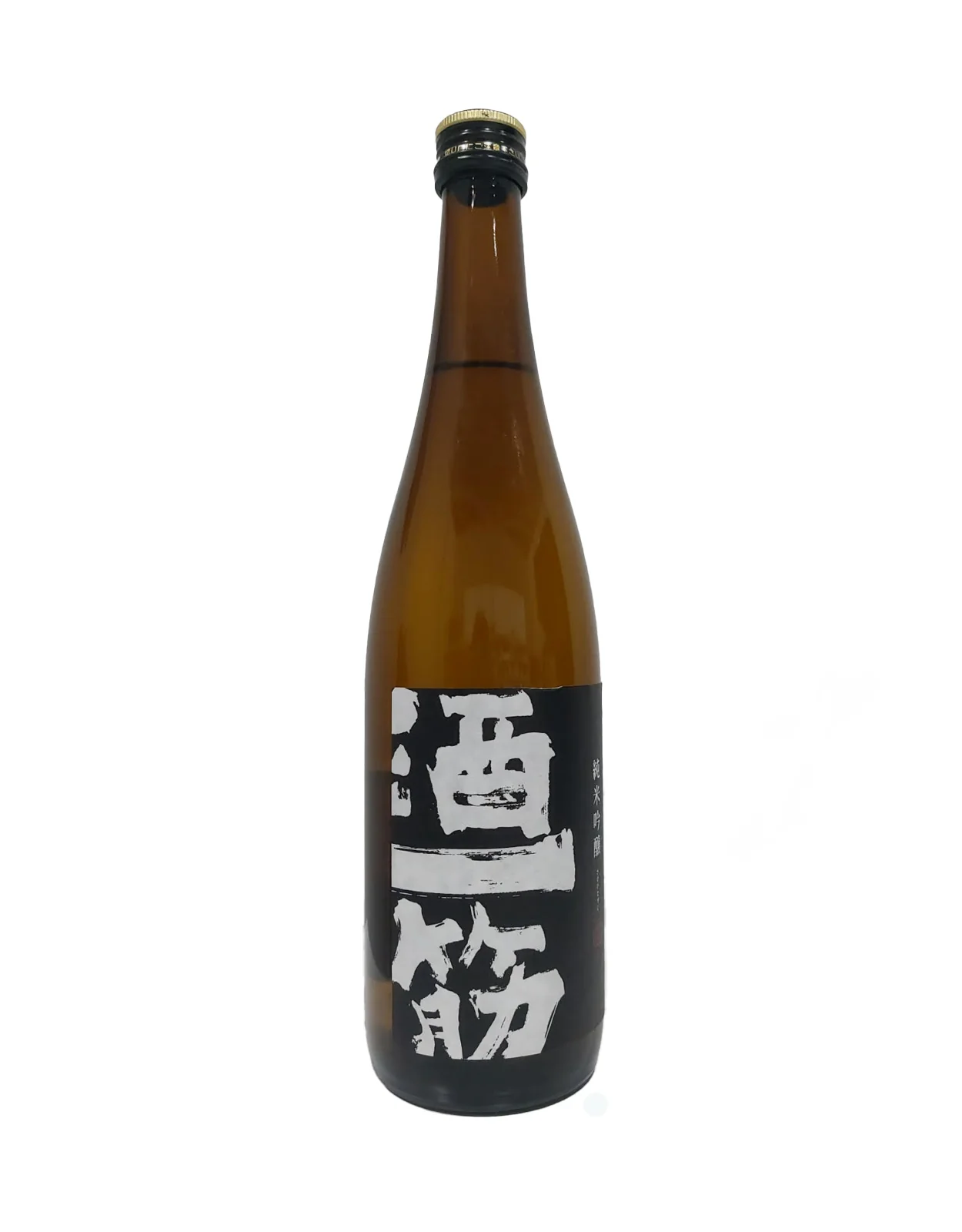
Toshimori Shuzo Sakehitosuji Jungin Black Junmai Ginjo Sake - 720 ml
Toshimori Shuzo Sakehitosuji Jungin Black originates from Akaiwa City in the Okayama Prefecture of Japan. Toshimori Shuzo, founded in 1868, is a highly respected brewery famous for its role in reviving the legendary Akaiwa Omachi rice variety, which had nearly gone extinct. The brewery is deeply committed to traditional methods and local agriculture, cultivating their own rice to ensure the highest quality for their "Sakehitosuji" (meaning "Only Sake") brand.
Description
The "Jungin Black" is a modern, high-polish expression of the Omachi grain, which is known for producing deeper, more complex, and earthier sake compared to the more common Yamada Nishiki rice.
Aroma: It presents a sophisticated and mellow nose with notes of ripe melon, steamed rice, and a characteristic Omachi earthiness.
Palate: On the tongue, it is medium-bodied with a signature velvety texture. It offers a rich umami core with flavors of white peach and a soft herbal undertone, balanced by a clean, refreshing acidity.
Technical Profile: This Junmai Ginjo is brewed with 100% Akaiwa Omachi rice polished to 55%. It typically has an alcohol content of 15.5% and is designed to showcase the "robust elegance" that Omachi fans crave.
Food Pairing
Because Omachi sake is naturally richer and more savory, it can handle bolder flavors that might overwhelm a lighter Niigata-style sake.
Grilled & Savoury: Pairs beautifully with grilled pork belly (yakitori), miso-glazed cod (gindara), or roasted root vegetables.
Rich Seafood: The umami profile is an excellent match for uni (sea urchin), buttery lobster, or seared scallops with a touch of soy sauce.
Western Cuisine: Its earthy depth makes it a surprising but successful companion for mushroom risotto, herb-crusted lamb, or aged hard cheeses like Manchego.
Serving Temperature: This sake is incredibly versatile. While delicious chilled (10°C) to highlight the melon notes, it truly shines at room temperature (20°C) or even slightly warmed, which allows the rice-forward umami and velvety texture to fully expand.
Toshimori Shuzo Sakehitosuji Jungin Black originates from Akaiwa City in the Okayama Prefecture of Japan. Toshimori Shuzo, founded in 1868, is a highly respected brewery famous for its role in reviving the legendary Akaiwa Omachi rice variety, which had nearly gone extinct. The brewery is deeply committed to traditional methods and local agriculture, cultivating their own rice to ensure the highest quality for their "Sakehitosuji" (meaning "Only Sake") brand.
Description
The "Jungin Black" is a modern, high-polish expression of the Omachi grain, which is known for producing deeper, more complex, and earthier sake compared to the more common Yamada Nishiki rice.
Aroma: It presents a sophisticated and mellow nose with notes of ripe melon, steamed rice, and a characteristic Omachi earthiness.
Palate: On the tongue, it is medium-bodied with a signature velvety texture. It offers a rich umami core with flavors of white peach and a soft herbal undertone, balanced by a clean, refreshing acidity.
Technical Profile: This Junmai Ginjo is brewed with 100% Akaiwa Omachi rice polished to 55%. It typically has an alcohol content of 15.5% and is designed to showcase the "robust elegance" that Omachi fans crave.
Food Pairing
Because Omachi sake is naturally richer and more savory, it can handle bolder flavors that might overwhelm a lighter Niigata-style sake.
Grilled & Savoury: Pairs beautifully with grilled pork belly (yakitori), miso-glazed cod (gindara), or roasted root vegetables.
Rich Seafood: The umami profile is an excellent match for uni (sea urchin), buttery lobster, or seared scallops with a touch of soy sauce.
Western Cuisine: Its earthy depth makes it a surprising but successful companion for mushroom risotto, herb-crusted lamb, or aged hard cheeses like Manchego.
Serving Temperature: This sake is incredibly versatile. While delicious chilled (10°C) to highlight the melon notes, it truly shines at room temperature (20°C) or even slightly warmed, which allows the rice-forward umami and velvety texture to fully expand.
Description
Toshimori Shuzo Sakehitosuji Jungin Black originates from Akaiwa City in the Okayama Prefecture of Japan. Toshimori Shuzo, founded in 1868, is a highly respected brewery famous for its role in reviving the legendary Akaiwa Omachi rice variety, which had nearly gone extinct. The brewery is deeply committed to traditional methods and local agriculture, cultivating their own rice to ensure the highest quality for their "Sakehitosuji" (meaning "Only Sake") brand.
Description
The "Jungin Black" is a modern, high-polish expression of the Omachi grain, which is known for producing deeper, more complex, and earthier sake compared to the more common Yamada Nishiki rice.
Aroma: It presents a sophisticated and mellow nose with notes of ripe melon, steamed rice, and a characteristic Omachi earthiness.
Palate: On the tongue, it is medium-bodied with a signature velvety texture. It offers a rich umami core with flavors of white peach and a soft herbal undertone, balanced by a clean, refreshing acidity.
Technical Profile: This Junmai Ginjo is brewed with 100% Akaiwa Omachi rice polished to 55%. It typically has an alcohol content of 15.5% and is designed to showcase the "robust elegance" that Omachi fans crave.
Food Pairing
Because Omachi sake is naturally richer and more savory, it can handle bolder flavors that might overwhelm a lighter Niigata-style sake.
Grilled & Savoury: Pairs beautifully with grilled pork belly (yakitori), miso-glazed cod (gindara), or roasted root vegetables.
Rich Seafood: The umami profile is an excellent match for uni (sea urchin), buttery lobster, or seared scallops with a touch of soy sauce.
Western Cuisine: Its earthy depth makes it a surprising but successful companion for mushroom risotto, herb-crusted lamb, or aged hard cheeses like Manchego.
Serving Temperature: This sake is incredibly versatile. While delicious chilled (10°C) to highlight the melon notes, it truly shines at room temperature (20°C) or even slightly warmed, which allows the rice-forward umami and velvety texture to fully expand.