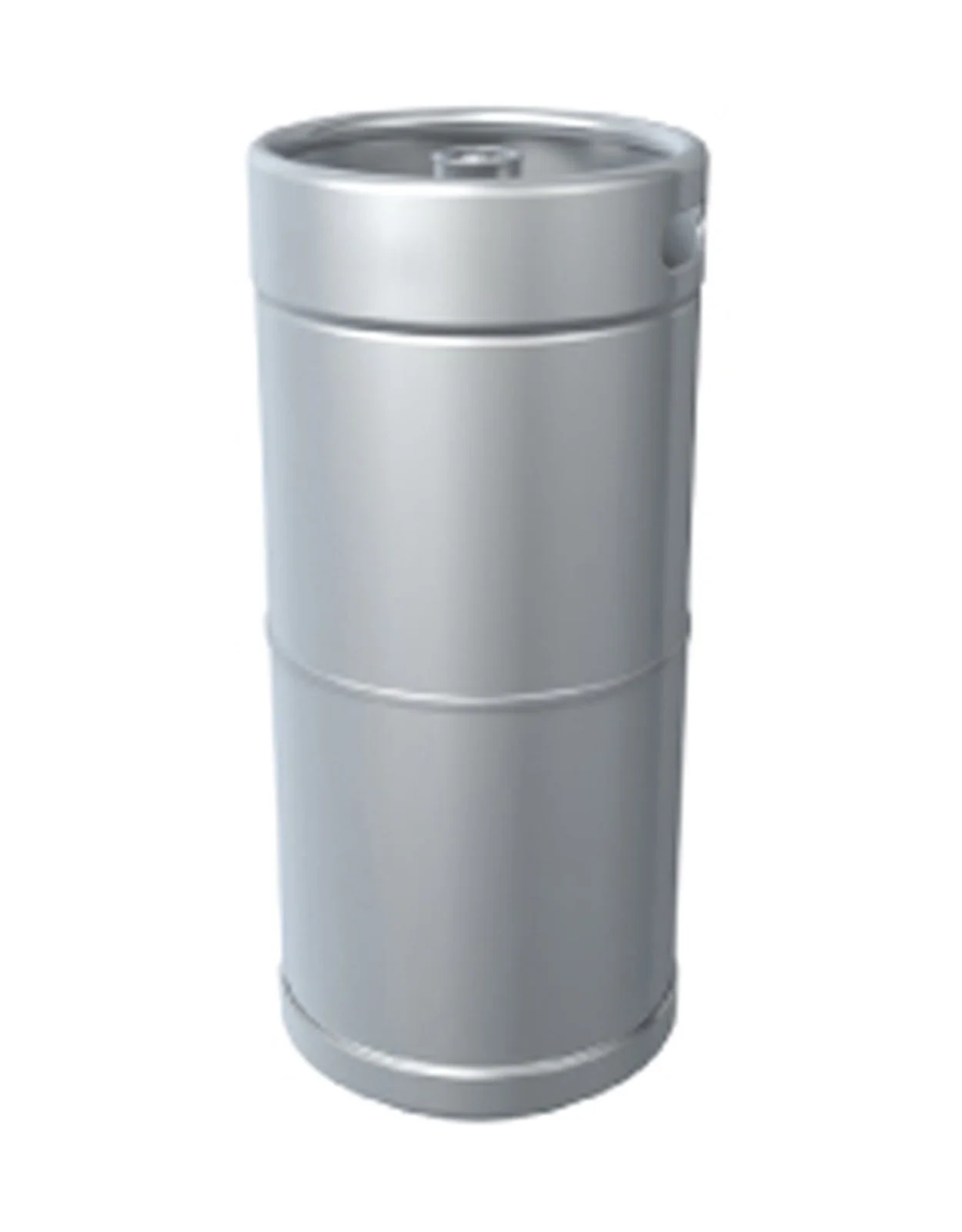

Guinness Stout - 50 Litre Keg
Guinness Draught is the global benchmark for the Irish Dry Stout and one of the most iconic beers in history. Since Arthur Guinness signed a 9,000-year lease on the St. James’s Gate Brewery in Dublin in 1759, it has become a symbol of Irish craftsmanship. It is a beer defined by technical brilliance: though it looks dark and "heavy," it is actually lower in calories and alcohol than many light lagers. It is famous for its "surge and settle" nitrogen pour, resulting in a velvet-like texture that is unique in the brewing world.
Beer Description
Guinness is famous for its "black" body which is actually a deep ruby red when held to the light and its thick, stable, ivory-colored head that remains until the very last sip.
Aroma: The nose is subtle, clean, and roasty. It leads with dominant notes of roasted barley, charred wood, and fresh coffee beans, followed by a faint, "tangy" lactic note from the house yeast. There is no hop aroma; the scent is entirely driven by the dark, kiln-dried grains.
Palate: On the tongue, it is surprisingly light-bodied with a silky, creamy mouthfeel (thanks to the nitrogen). It leads with a mild bitterness of bittersweet chocolate and espresso, balanced by a soft, grainy sweetness. The finish is remarkably dry and clean, with a slight "ashy" roastiness that refreshes the palate rather than coating it.
Profile: It sits at a sessionable 4.2% ABV and a moderate bitterness of 45 IBU, though the bitterness is perceived as "roasted" rather than "hoppy."
Technical Notes: The secret to Guinness is the use of roasted unmalted barley, which provides the dark color and the dry, coffee-like finish. The legendary creamy head is achieved through Nitrogenation. Unlike most beers that use CO2, Guinness uses a "beergas" mix (75% Nitrogen, 25% CO2). Because Nitrogen bubbles are much smaller and do not dissolve as easily, they create the famous "cascading" effect and a dense, mousse-like foam.
Guinness Draught is the global benchmark for the Irish Dry Stout and one of the most iconic beers in history. Since Arthur Guinness signed a 9,000-year lease on the St. James’s Gate Brewery in Dublin in 1759, it has become a symbol of Irish craftsmanship. It is a beer defined by technical brilliance: though it looks dark and "heavy," it is actually lower in calories and alcohol than many light lagers. It is famous for its "surge and settle" nitrogen pour, resulting in a velvet-like texture that is unique in the brewing world.
Beer Description
Guinness is famous for its "black" body which is actually a deep ruby red when held to the light and its thick, stable, ivory-colored head that remains until the very last sip.
Aroma: The nose is subtle, clean, and roasty. It leads with dominant notes of roasted barley, charred wood, and fresh coffee beans, followed by a faint, "tangy" lactic note from the house yeast. There is no hop aroma; the scent is entirely driven by the dark, kiln-dried grains.
Palate: On the tongue, it is surprisingly light-bodied with a silky, creamy mouthfeel (thanks to the nitrogen). It leads with a mild bitterness of bittersweet chocolate and espresso, balanced by a soft, grainy sweetness. The finish is remarkably dry and clean, with a slight "ashy" roastiness that refreshes the palate rather than coating it.
Profile: It sits at a sessionable 4.2% ABV and a moderate bitterness of 45 IBU, though the bitterness is perceived as "roasted" rather than "hoppy."
Technical Notes: The secret to Guinness is the use of roasted unmalted barley, which provides the dark color and the dry, coffee-like finish. The legendary creamy head is achieved through Nitrogenation. Unlike most beers that use CO2, Guinness uses a "beergas" mix (75% Nitrogen, 25% CO2). Because Nitrogen bubbles are much smaller and do not dissolve as easily, they create the famous "cascading" effect and a dense, mousse-like foam.
Original: $361.54
-65%$361.54
$126.54Description
Guinness Draught is the global benchmark for the Irish Dry Stout and one of the most iconic beers in history. Since Arthur Guinness signed a 9,000-year lease on the St. James’s Gate Brewery in Dublin in 1759, it has become a symbol of Irish craftsmanship. It is a beer defined by technical brilliance: though it looks dark and "heavy," it is actually lower in calories and alcohol than many light lagers. It is famous for its "surge and settle" nitrogen pour, resulting in a velvet-like texture that is unique in the brewing world.
Beer Description
Guinness is famous for its "black" body which is actually a deep ruby red when held to the light and its thick, stable, ivory-colored head that remains until the very last sip.
Aroma: The nose is subtle, clean, and roasty. It leads with dominant notes of roasted barley, charred wood, and fresh coffee beans, followed by a faint, "tangy" lactic note from the house yeast. There is no hop aroma; the scent is entirely driven by the dark, kiln-dried grains.
Palate: On the tongue, it is surprisingly light-bodied with a silky, creamy mouthfeel (thanks to the nitrogen). It leads with a mild bitterness of bittersweet chocolate and espresso, balanced by a soft, grainy sweetness. The finish is remarkably dry and clean, with a slight "ashy" roastiness that refreshes the palate rather than coating it.
Profile: It sits at a sessionable 4.2% ABV and a moderate bitterness of 45 IBU, though the bitterness is perceived as "roasted" rather than "hoppy."
Technical Notes: The secret to Guinness is the use of roasted unmalted barley, which provides the dark color and the dry, coffee-like finish. The legendary creamy head is achieved through Nitrogenation. Unlike most beers that use CO2, Guinness uses a "beergas" mix (75% Nitrogen, 25% CO2). Because Nitrogen bubbles are much smaller and do not dissolve as easily, they create the famous "cascading" effect and a dense, mousse-like foam.